Chosen theme: Best Hiking Trails for Photography in National Parks. Lace up your boots, pack your lenses, and step into landscapes where every switchback opens a new frame. From golden-hour ridgelines to moody waterfalls and star-splashed deserts, this guide helps you hike smarter, shoot better, and share your story. Subscribe and tell us which trail you want featured next.
Expect spray, rainbows, and slippery granite. Pack a microfiber cloth, ND filters, and lens hoods. Late afternoon brings side-light that carves texture into the falls. Compose with hikers for scale, but protect your gear with a dry bag. Keep a safe distance from rushing water and step carefully on wet rock—beauty here demands respect.
Chasing Waterfalls with Your Lens
Old-growth giants frame a staircase of water perfect for silky exposures. Start early to avoid crowds and carry bear spray where recommended. A polarizer reveals emerald moss and submerged stones, while shutter speeds between one quarter and one second create elegant ribbons. Share your tripod techniques and we’ll feature our favorite reader setup next week.
Bison herds graze under big skies while pronghorn, coyotes, and occasionally wolves roam distant ridges. Bring a 400–600 mm lens, sturdy tripod, and binoculars for scanning. Maintain required distances—at least 100 yards for bears and wolves, 25 for other wildlife. Use pullouts, keep voices low, and let behavior guide your compositions.
Moraine Park meadows glow at sunrise, and in autumn the elk rut fills the valley with haunting bugles. A quiet shutter mode helps, as does staying behind any posted barriers. Telephotos compress mountain backdrops beautifully, while frosty grasses add sparkle. Share your favorite months for safe viewing and we’ll compile a seasonal guide.
Delicate Arch Trail, Arches National Park
Late light ignites the arch while La Sal peaks glow beyond. Arrive early to manage crowds and scout foreground textures. A mid-range zoom isolates curves; a wide lens captures the amphitheater. Bring a headlamp for the hike back, and consider winter visits when snow outlines sandstone and the sunset crowd thins dramatically.
Mesquite Flat Sand Dunes, Death Valley National Park
At sunrise, low-angled light reveals ripples like calligraphy. Walk the edges to avoid stamping your own lines into compositions. Watch for heat, carry more water than you think necessary, and plan for night sky sessions when conditions and regulations allow. A simple tracker isn’t essential—steady technique and stacking can work wonders.
Hidden Valley, Joshua Tree National Park
Boulder piles and branching yuccas create surreal stage sets at blue hour. Experiment with silhouettes and be mindful that light painting is restricted. Gentle winds sway cholla spines, so protect skin and gear. Share your favorite color profiles for desert twilight, and subscribe for our printable night checklist tuned to park rules.
Where Land Meets Ocean: Coastal Park Photo Hikes
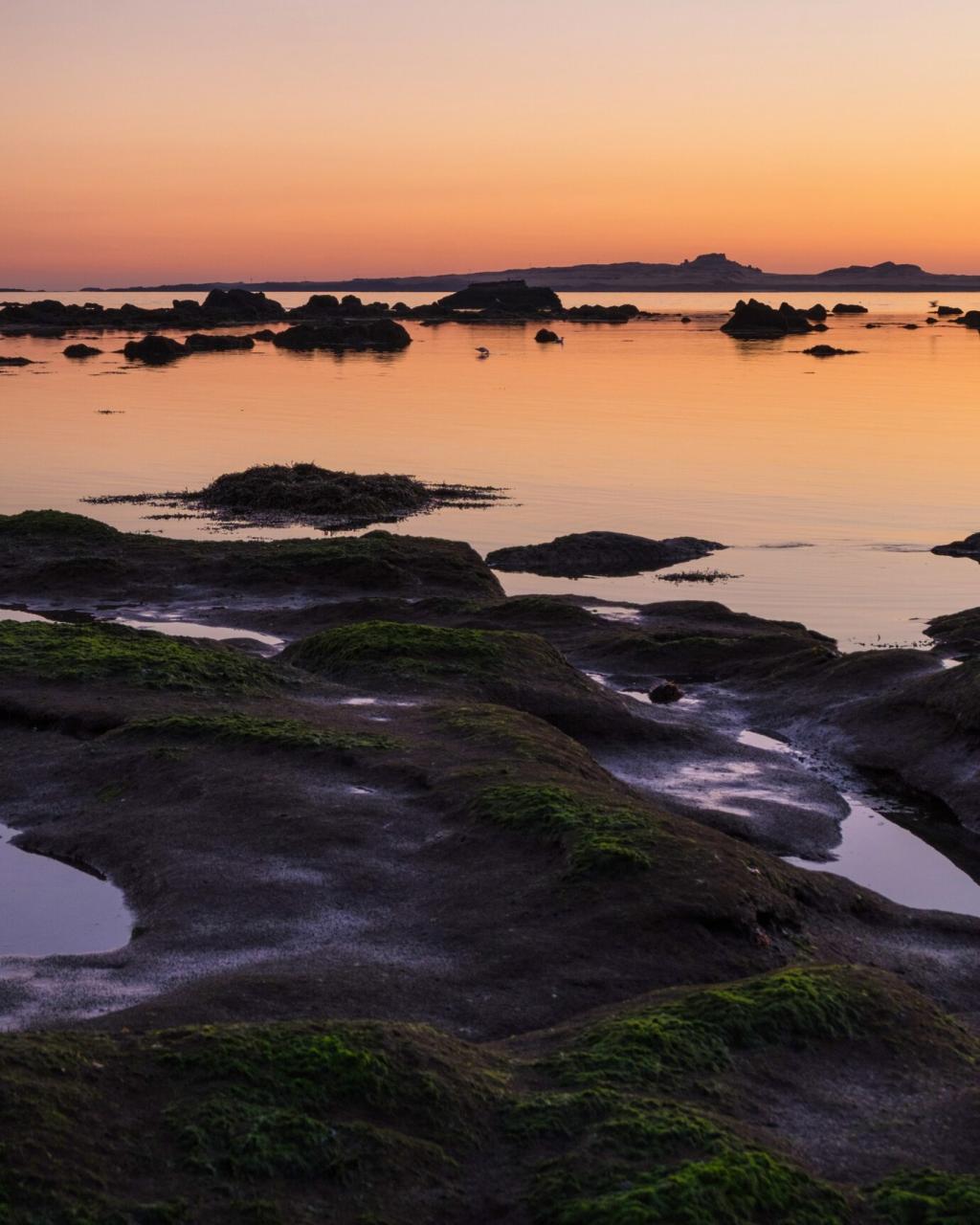
Check tide tables and aim for receding water to reveal reflective sand and tide pools. A circular polarizer tames glare while long exposures smooth the surf into silk. Waterproof footwear helps with creek crossings, and driftwood offers leading lines. Watch the swell forecast and never turn your back on the Pacific’s shifting mood.
Where Land Meets Ocean: Coastal Park Photo Hikes
Marine fog sifts sunlight into cathedral beams through Sitka spruce and towering redwoods. A wide lens captures scale while a polarizer deepens greens and reduces leaf shine. Stay on designated paths to protect delicate plants and salamander habitat. Share your favorite fog predictors—we love hearing how you chase atmospheric mornings.
Pack Smart: Gear, Safety, and Timing for Photo Hikes
One weather-sealed body, two lenses (wide and mid-tele), polarizer, ND set, lightweight tripod, spare batteries in a warm pocket, and a microfiber cloth cover most scenarios. Add a compact rain shell, water, and snacks. Choose a backpack with a stable hip belt so steep descents don’t shake your compositions or strain your back.
Pack Smart: Gear, Safety, and Timing for Photo Hikes
Check forecasts and fire conditions, and verify permits or timed-entry systems that parks periodically implement—like seasonal reservations or dawn parking limitations. Some areas restrict off-trail travel or night access. Read official notices before you go, save ranger station numbers, and build turn-around times into your plan to keep hikes safe.