Chosen theme: Exploring National Park Trails with a Photographer’s Eye. Step onto the path where every bend is a frame, every echo a story, and every step a chance to see the familiar with new vision. Subscribe for trail-tested tips, field notes, and creative prompts that keep your camera—and curiosity—moving.
In places like Zion and the Grand Canyon, angled sunrise light pulls texture from sandstone, revealing delicate striations you’ll miss at noon. Keep your ISO low, expose for highlights, and let warm light breathe. What canyon glow shot still lives in your mind?
Cloud cover as a softbox
Overcast days in temperate rainforests, such as Olympic National Park, turn trails into perfect studios with soft, even light. Colors deepen, shadows relax, and your histogram smiles. Compare your cloudy-day frames and tag a friend who avoids gray skies.
Night trails and starfields
When darkness falls in remote parks, the Milky Way arcs over quiet paths like a lantern. Scout compositions before sunset, carry a red headlamp, and respect quiet hours and permit rules. Ask questions below if you want a practical night-shoot checklist.
Composing Stories With Footprints and Landforms
Switchbacks, boardwalks, and river bends guide the eye deeper into your frame. Step left or right until the line opens the scene without clutter. Add a tiny hiker for scale, and ask your audience where the path leads in their imagination.
Lightweight, weather-sealed essentials
A compact mirrorless body, a versatile 24–70mm lens, and a small carbon tripod cover most scenes. Add a microfiber cloth, rain cover, and lens hood for sudden squalls. What’s your desert-island kit for big miles and bigger views?
Batteries, storage, and backup on the move
Cold drains batteries fast—keep spares in an inner pocket. Use dual card slots, rotate cards daily, and back up to a pocket SSD at camp. Share your worst data scare and the habit that now keeps your photos safe.
Footwear and pack fit matter for images
Blisters make shaky hands and rushed framing. Dial in pack fit, distribute weight, and keep water handy so you actually stop for shots. Drop your favorite footwear and pack pairing, and tell us why your knees send a thank-you.
Ethics and Wildlife: Photograph With Respect
Know the distances and behavior cues
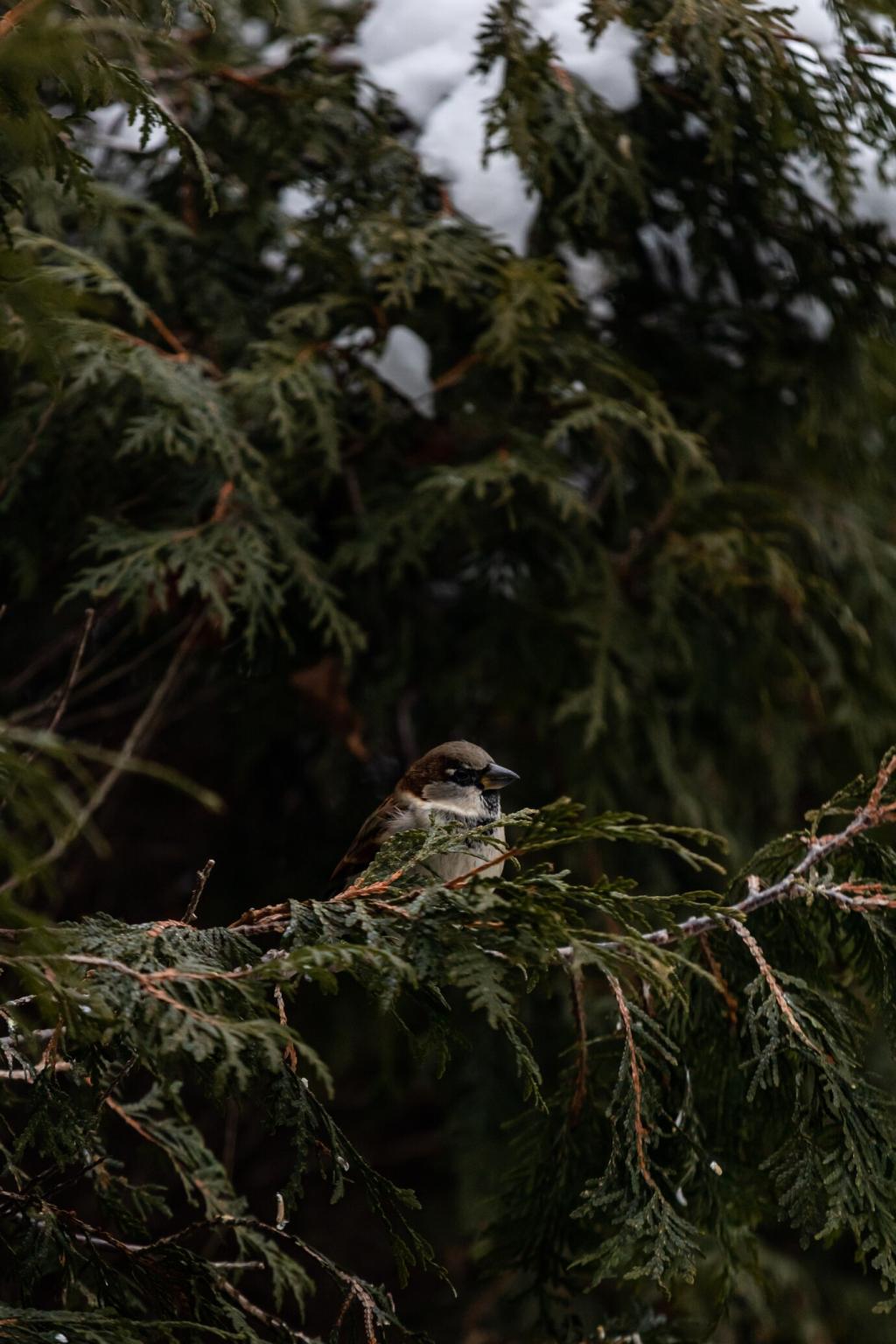
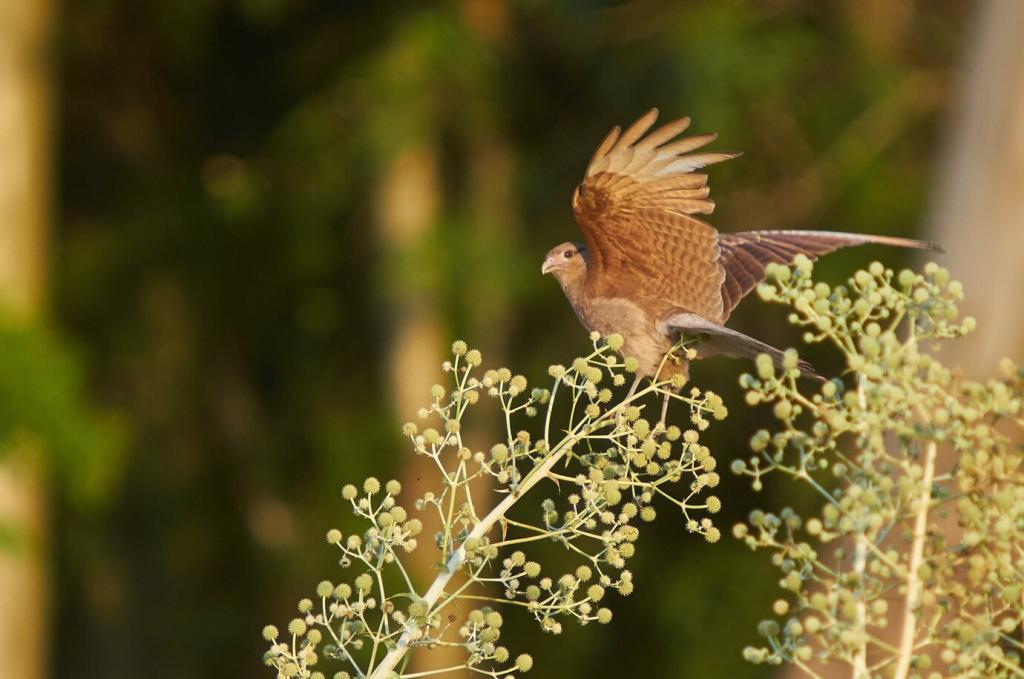
Follow NPS guidance: at least 25 yards from most wildlife, 100 yards from bears and wolves. Watch for stress signs—staring, retreating, or pawing—and back off. Long lenses tell better stories than risky proximity; share your longest respectful reach.
Soundscapes and quiet shutters
Drones are prohibited in most national parks, and noise can stress wildlife and people. Use silent shutter modes, muffle loose gear, and keep group chatter low at sunrise overlooks. Add your quietest practice that preserves the dawn chorus.
Leave No Trace storytelling
Pack out everything, stay on durable surfaces, and consider omitting geotags for sensitive spots. Teach ethics through captions and show stewardship in behind-the-scenes posts. What message will you include with your next viral trail frame?
Look past sun-cloud icons to wind speeds, dew points, and storm timing. In the Rockies, afternoon lightning moves fast; in deserts, flash floods can rise within minutes. Share your go-to weather app and how it saved a shoot.
Download offline maps, carry a paper topo and compass, and learn them before you need them. Cairns can mislead; trust contours and waypoints. Tell someone your plan, and comment with the one navigation habit you never skip.
Art fades when dehydration hits. Sip regularly, add electrolytes, and schedule midday siestas for culling or journaling. Stash a filter for refills, and share your smartest water carry for long, exposed ridgelines.
Spring ephemerals and roaring water
As snowmelt swells rivers, waterfalls thunder and wildflowers burst for brief windows. Use a polarizer to tame glare and deepen greens, and step carefully around delicate blooms. Which spring trail taught you patience and timing?
Autumn contrast and crispy air
Golden aspens, fiery maples, and rare larch turns give texture to sweeping scenes. Scout a week early, track color reports, and slightly underexpose to protect saturation. Drop your favorite fall park and the lens that nailed it.
Winter hush and high dynamic range snow
Expose to the right so snow stays bright without clipping, then refine with careful highlights. Traction devices, extra batteries, and hand warmers keep you steady. Post your coldest capture and the story your breath wrote in the air.
Community Corner: Share Your Trail Tales and Frames
Share the first national park trail where a photo changed how you see. What happened, what did you learn, and which detail still echoes? Tag us and invite a hiking partner to add their angle.
Community Corner: Share Your Trail Tales and Frames
Join our monthly theme—this round: “Switchback Symmetry.” Post your best zigzag composition, explain your settings, and celebrate others. Subscribe to get prompts, trail maps, and early challenge announcements straight to your inbox.